Government & Institutions · 2024
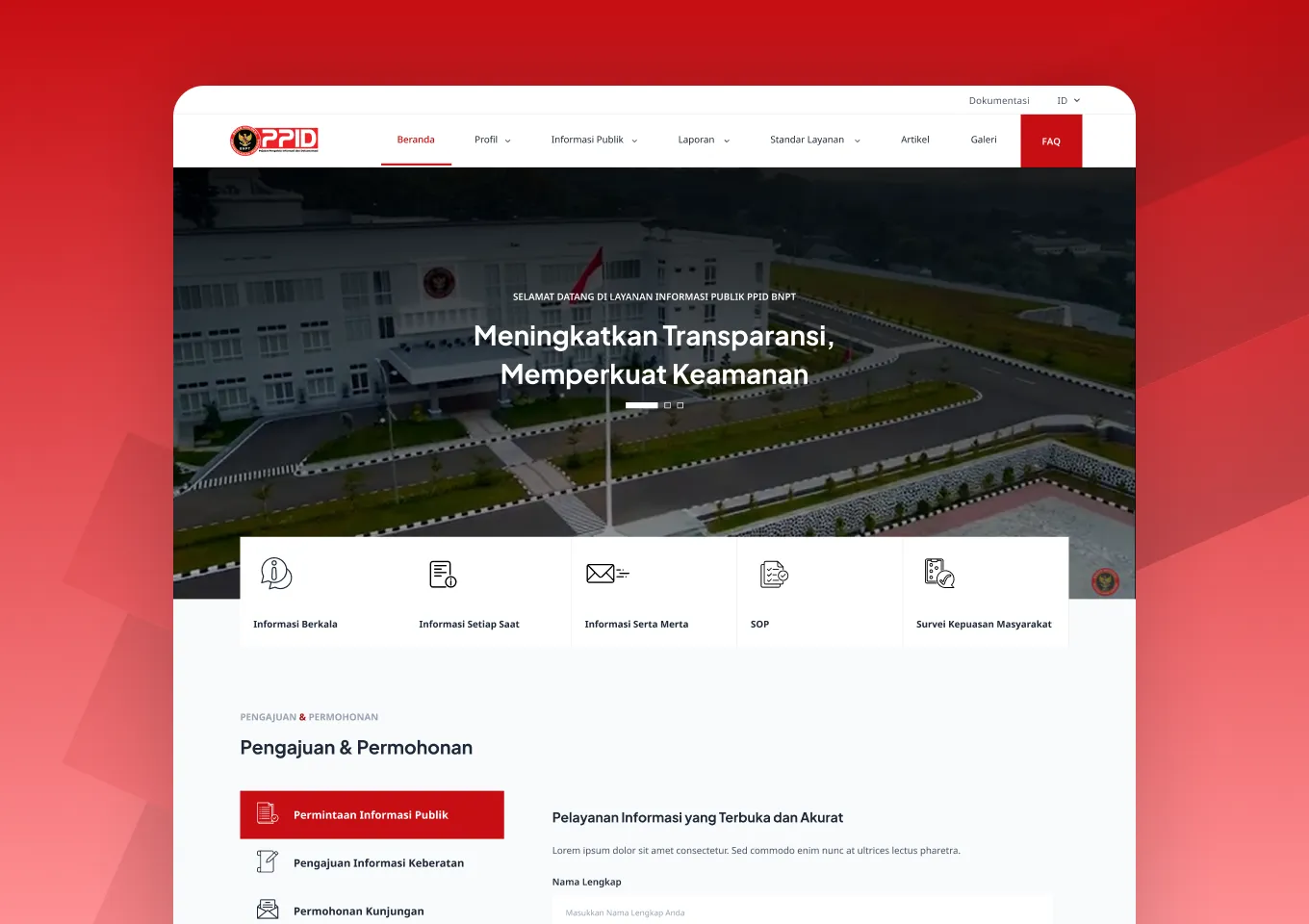
PPID BNPT
PPID BNPT Public Information Portal
Read more ↗Search strategies and engineering for the modern business landscape.
Six service pillars delivered by one team, from design and development to cloud, security, growth, and day-to-day support.
Legia builds web-based applications for institutions and companies: service portals with requests and tracking, searchable document archives, and CMS dashboards to manage their content. Systems are built in stages, so parts of it are ready for you to try long before the project is done.
Pricing
Application cost is based on the number of modules and business rules in it, not the number of pages. The system is built in stages, so the budget can also be split by stage.
> Project plan
Web Application Development · 5 stagesA general view of the order and length of each stage. A change in scope moves the estimate, and the details are agreed after the consultation.
If requirements change midway, the change is logged as a separate request, assessed for its impact on time and cost, then agreed before it is carried out. No extra work is done first and billed at the end.
Legia's full processTechnology
The tools actually used on this work. The choice adapts to the systems you already run rather than being forced into one mold.
Application
The framework for the system's logic and interface, chosen according to the need and the team that will carry it on.
Data
Where data is stored, plus caching and queues for work that runs in the background.
Deployment
Packages the application so it runs the same in the cloud or on your own servers.
Selected Work
Two public service portals Legia built, and one fundraising site Legia maintains and security-tests.
Government & Institutions · 2024
PPID BNPT Public Information Portal
Read more ↗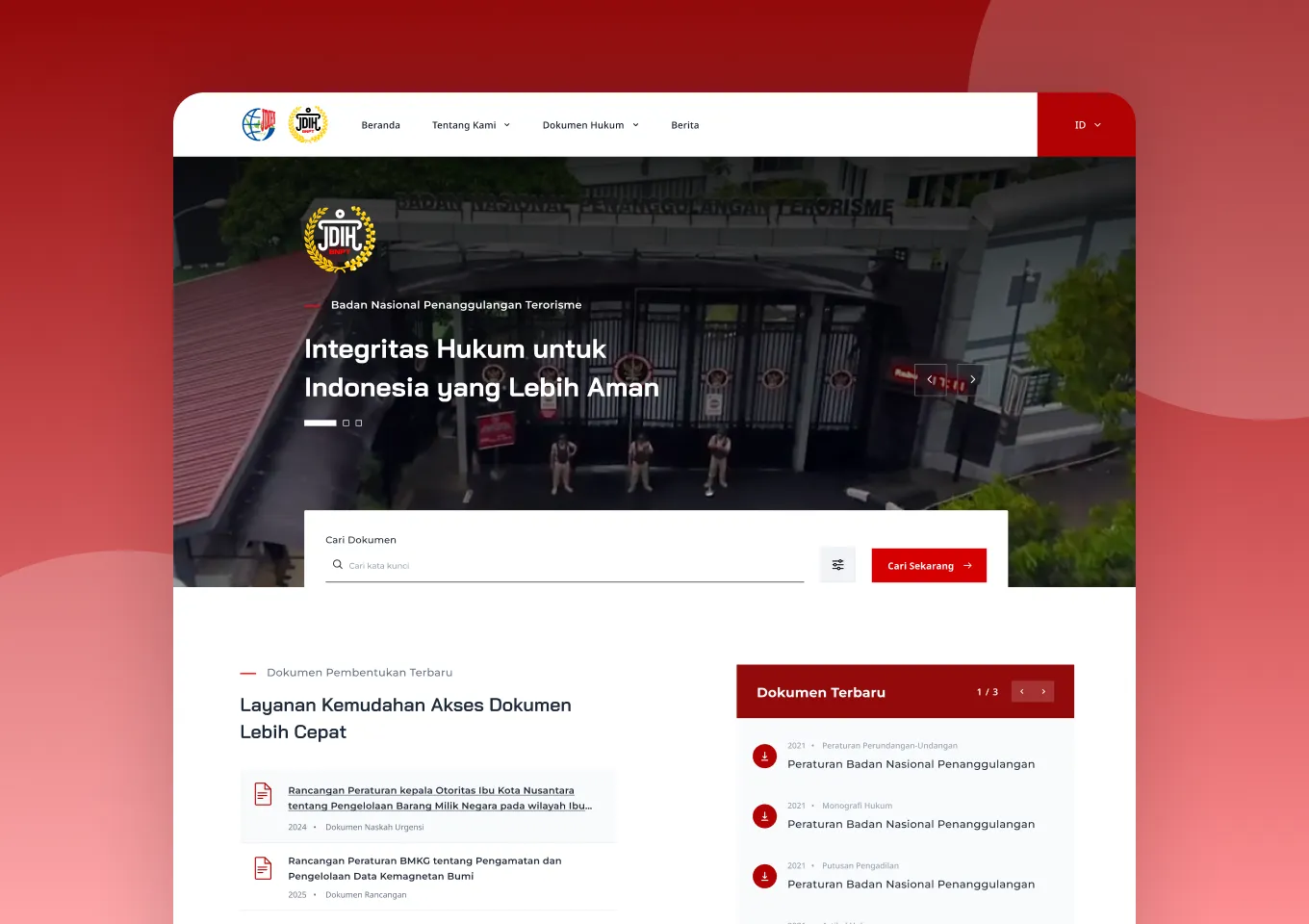
Government & Institutions · 2024
JDIH BNPT Legal Document Portal
Read more ↗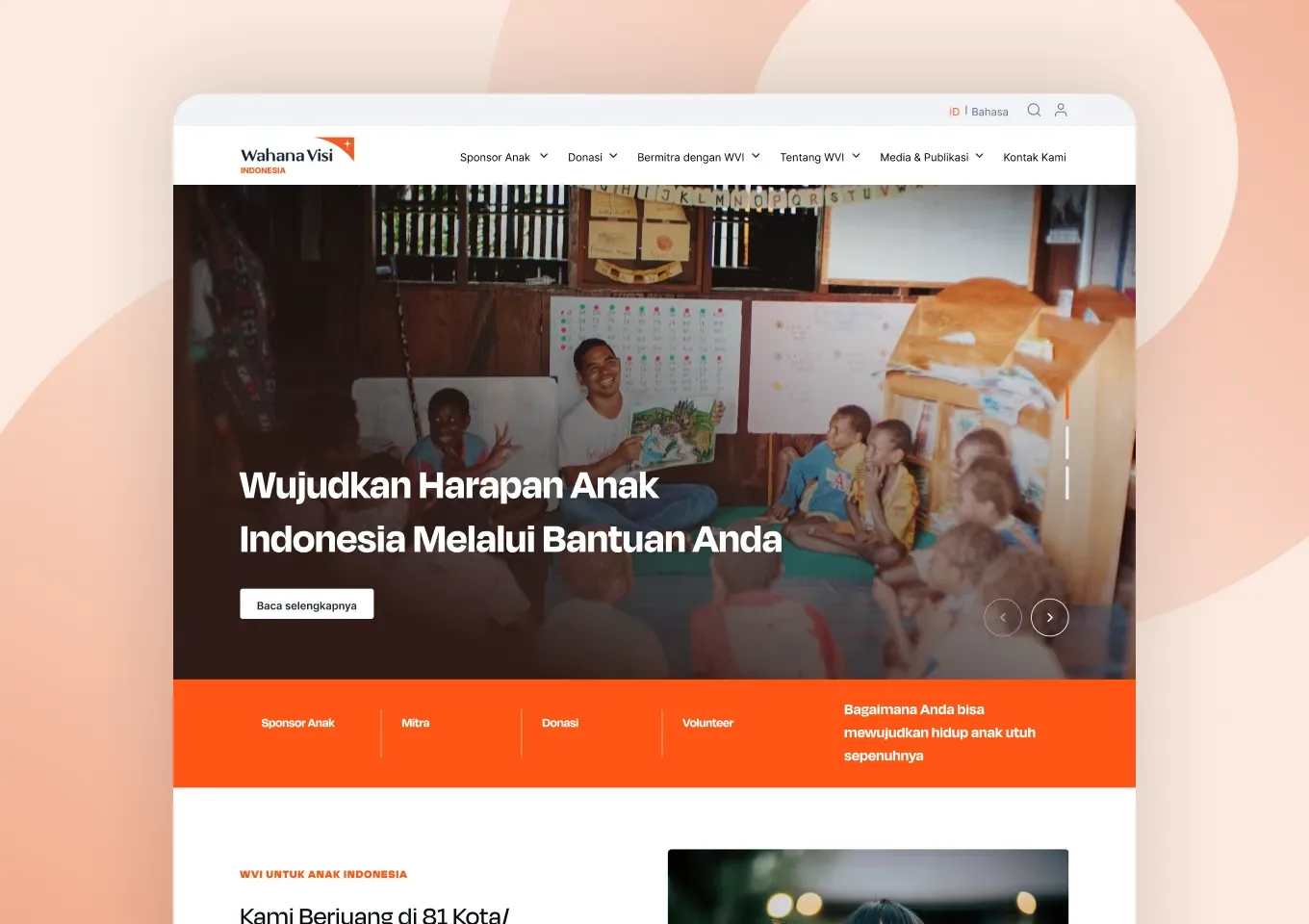
Non-profit · 2025
Wahana Visi Indonesia Website
Read more ↗Why Legia
Systems like this are usually used for years after they are built. These six things make them safe to use and something anyone can continue, even without Legia.
01 · Engineering
All source code and the right to use it belong to you, kept in a repository under your company's name from day one.
02 · Ownership
Role-based login, an activity log that records who changed what, automatic backups, and security checks. The scope is agreed from the needs assessment.
03 · Search
Technical documentation and user guides, so another developer can carry on without having to ask Legia.
04 · Time
There is a version you can try every two to three weeks, so the direction can be corrected before it drifts too far.
05 · Design
Training for your team, plus a support period once the system is in use.
06 · Engineering
A system whose capabilities can be added later without rebuilding from scratch.
FAQ
Haven't found your answer? Tell us what you need, and the Legia team replies within 1 business day.
Ask the Legia team ↗A web application development service designs and builds systems that run in the browser, where users log in with their own account to work with data and run workflows. Legia builds service portals with requests and tracking, searchable document archives, and CMS dashboards to manage their content. The source code is yours.
The cost depends on the number of workflows, integration needs, and number of users. Legia gives the exact figure after the needs assessment stage. That stage can be taken separately, so you get a scope document and cost estimate without being tied to a full project.
A mid-size system generally takes 3–6 months from the needs assessment to full use. Legia builds it in stages, so parts of it are ready for you to try long before the project is finished.
The source code and the right to use it are yours, kept in a repository under your company's name from day one. Legia hands over technical documentation so another developer can carry on without having to ask Legia.
A custom web app is built around your workflow and its source code becomes yours, but it takes longer to build. Off-the-shelf software is faster to start using if your needs match its built-in features, but you adapt to the product and the right to use it is rented. A spreadsheet is enough for small jobs, but it is hard to restrict access and track changes as data and users grow. Legia gives the most sensible option from the first session, including when the answer is not a custom app.
Role-based login, so each user only sees and changes what they are entitled to. An activity log that records who changed what and when. Automatic backups, and security checks on the system. The scope of checks and the backup schedule are agreed at the needs assessment stage.
Yes. Legia handles connections to finance, warehouse, HR, and third-party systems. If the main job is actually connecting existing systems, Legia assesses the scope at the needs assessment stage, and if needed starts from the IT Consulting service to map the systems already running.
Yes. Legia installs applications on cloud infrastructure or on your own servers, depending on your company's or agency's data placement needs. The choice is discussed at the needs assessment stage.
Changes are logged as separate requests, assessed for their impact on time and cost, then agreed before they are carried out. No extra work is done first and billed at the end.
Legia covers fixes for errors in its work for 30 days after handover. After that, a subscription maintenance scheme is available for regular upkeep, or your internal team can take over with the documentation handed over.