Non-profit · 2025
Wahana Visi Indonesia
Wahana Visi Indonesia Website
Read more ↗Search strategies and engineering for the modern business landscape.
Six service pillars delivered by one team, from design and development to cloud, security, growth, and day-to-day support.
Legia tests your websites and web applications the same way a real attacker would, then proves how far a vulnerability can be exploited. This testing, commonly called a pentest, is done manually with written permission and a scope agreed first. The result is a report with reproduction steps, real impact, and a fix order, followed by a retest after the fixes.
Pricing
Testing cost is based on the number and size of websites tested, not on how many findings there are. The scope is locked in writing before testing starts, and a retest after fixes is included.
> Project plan
Penetration Testing · 5 stagesA general view of the order and length of each stage. A change in scope moves the estimate, and the details are agreed after the consultation.
The whole process generally takes 3 to 6 weeks, depending on the size of the website and how quickly fixes are made on your side. Legia signs a confidentiality agreement, hands over the report through an encrypted channel only to recipients you name, and does not keep copies beyond the agreed period.
Legia's full processTechnology
The tools actually used on this work. The choice adapts to the systems you already run rather than being forced into one mold.
Web application testing
Intercepts and modifies traffic between the browser and server to test each input.
Mapping and exploitation
Maps the services that are exposed and proves the weaknesses found.
Testing references
The risk lists and severity scoring methods used as working references.
Selected Work
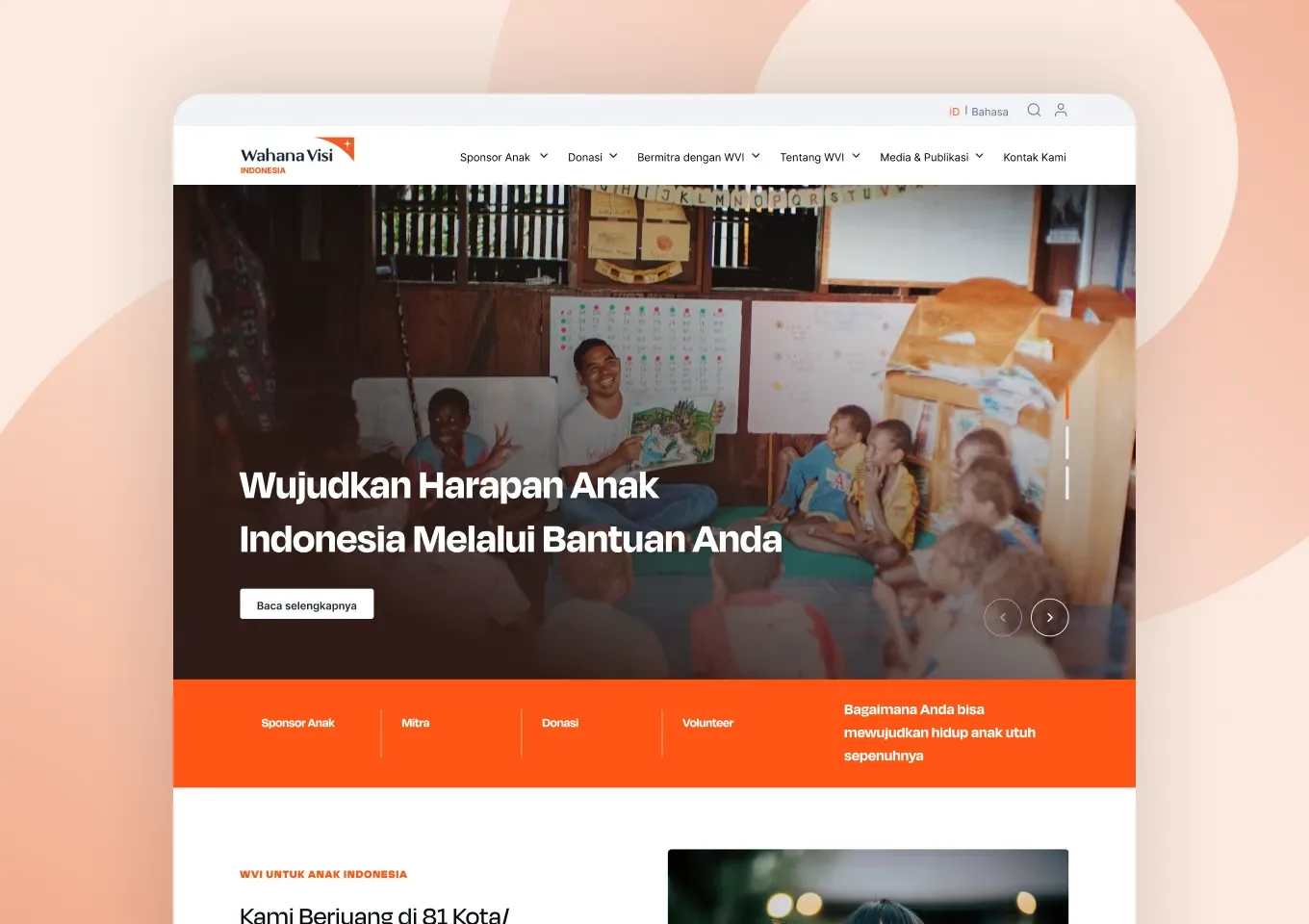
Legia ran penetration testing for the websites of these two organizations. Details of the findings are not published because they are confidential, so the case studies describe the website work in general.
Non-profit · 2025
Wahana Visi Indonesia Website
Read more ↗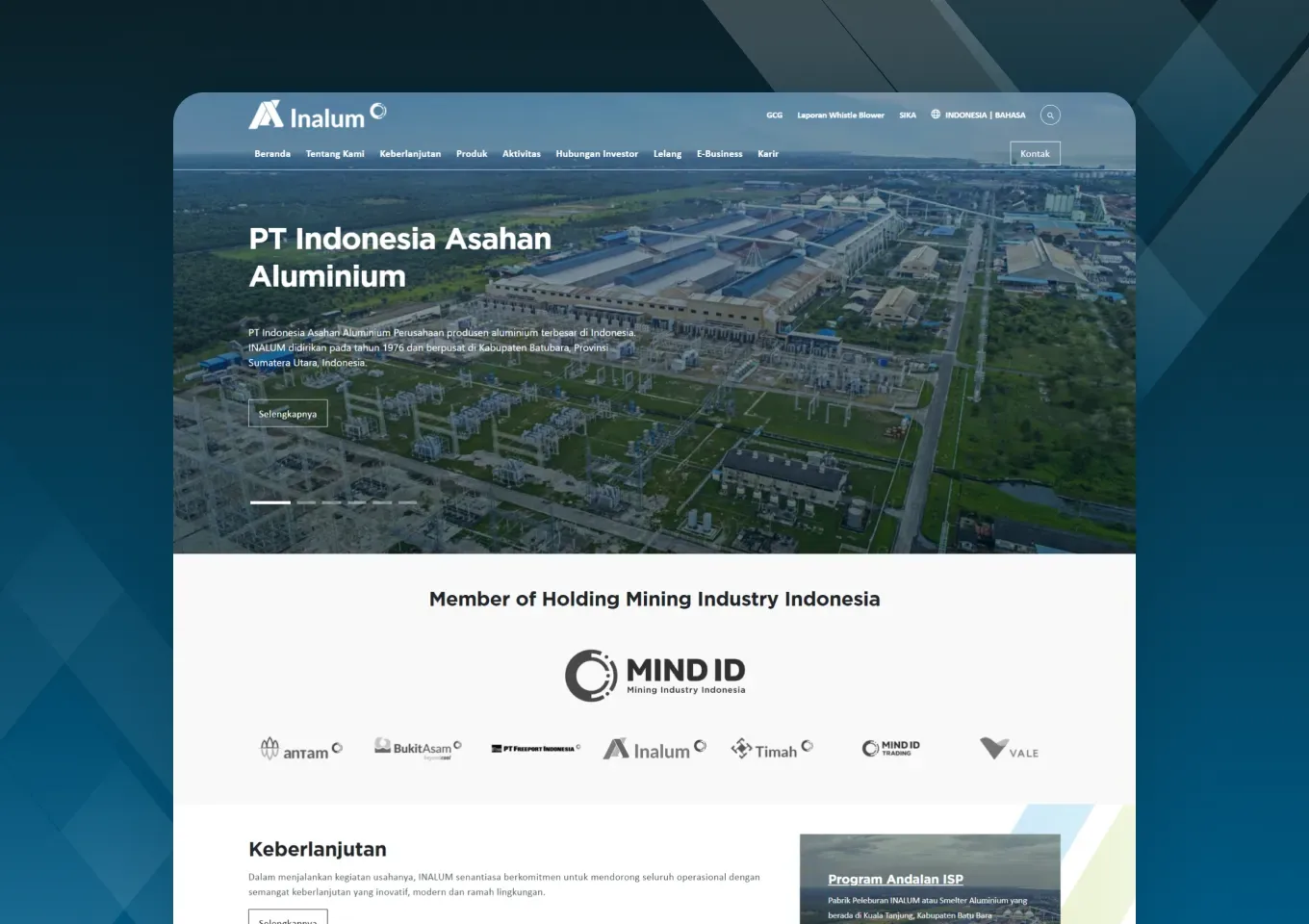
Mining & Energy · 2023
INALUM Corporate Website
Read more ↗Why Legia
Test reports often end up as a list of weaknesses that is hard to act on. These five parts make it something your team can work on right away and management can read.
01 · Design
An executive summary: what was breached and what it means for operations, written without technical jargon.
02 · Engineering
The attack path as a sequence of steps from the entry point to the data or access that was gained.
03 · Reports
Reproduction steps for each finding, so your team can confirm it themselves and retest after the fix.
04 · Reports
The severity of each finding based on CVSS, so the fix order is clear and can be explained to management.
05 · Engineering
A retest after fixes, included in the package, with a statement that the weakness has been closed.
FAQ
Haven't found your answer? Tell us what you need, and the Legia team replies within 1 business day.
Ask the Legia team ↗A penetration testing service, or pentest, is security testing in which a tester manually tries to break into a system, within a scope and written permission agreed first. The goal is to prove what can happen if a weakness is exploited. Legia runs it for websites and web applications, complete with a report and a retest after fixes.
The basis is the number and size of websites tested, the testing method chosen, and the number of user roles tested. A retest after fixes is included in the package. Legia gives the details after the scope and method are agreed in the consultation.
The whole process generally takes 3 to 6 weeks: setting scope and permission, information gathering, testing, report writing, then retest. The testing itself takes 5 to 10 business days, and the retest schedule follows when fixes are completed on your side.
Vulnerability assessment maps weaknesses as broadly as possible without exploiting them. Penetration testing tests manually by actually trying to break in, to prove the real impact of specific weaknesses. Some audit requirements ask for both.
For most needs, grey box is the most sensible starting point because the tester is given an ordinary user account, so weaknesses in access rights can be found. Black box is chosen when you want to resemble a real attacker's situation, and white box when the system handles sensitive data.
Legia's report contains the attack path, reproduction steps, severity based on CVSS, and retest results, so it can be attached as evidence that testing was done and the weaknesses were closed. Each auditor's requirements differ, so share the requirements you received in the consultation so the fit is confirmed before testing starts.
Your team can fix them using the reproduction steps and remediation advice in the report. If you prefer to hand it off, Legia does the fixes through the Website Maintenance or Server Installation & Management service, billed separately from the testing. The retest is still included, whoever does the fixing.
Testing only starts after a written permission letter from the system owner stating the scope, schedule, and limits, including a ban on testing meant to make the system unavailable. Testing is scheduled outside busy hours, and you receive an emergency contact who can stop it at any time. For very critical systems, testing can be done on a copy environment.
Some cloud and hosting providers require notice or permission before security testing is done. Legia checks your provider's terms and arranges the permission with you at the scoping stage.
Legia signs a confidentiality agreement before testing starts. The report is handed over through an encrypted channel only to recipients you name, and Legia does not keep copies beyond the period agreed in the contract.
Audit requirements generally ask for testing once a year. Beyond that, testing is best done before a major release and after fundamental changes to the system. Legia offers periodic testing contracts with a schedule agreed upfront, for example once a year plus testing before a major release.
At present, Legia's penetration testing focuses on websites and web applications, including the APIs they use. If your need is outside that, Legia says so from the start so you do not lose time.
Yes. Simulations such as phishing aimed at employees can be added to the testing. They are only run with separate written approval from company leadership, and are billed separately from website testing.
Not yet. Legia provides penetration testing with an agreed scope, not an ongoing full attack simulation. If you need a red team, Legia says so from the start so you do not lose time.