Consumer & Retail · 2026
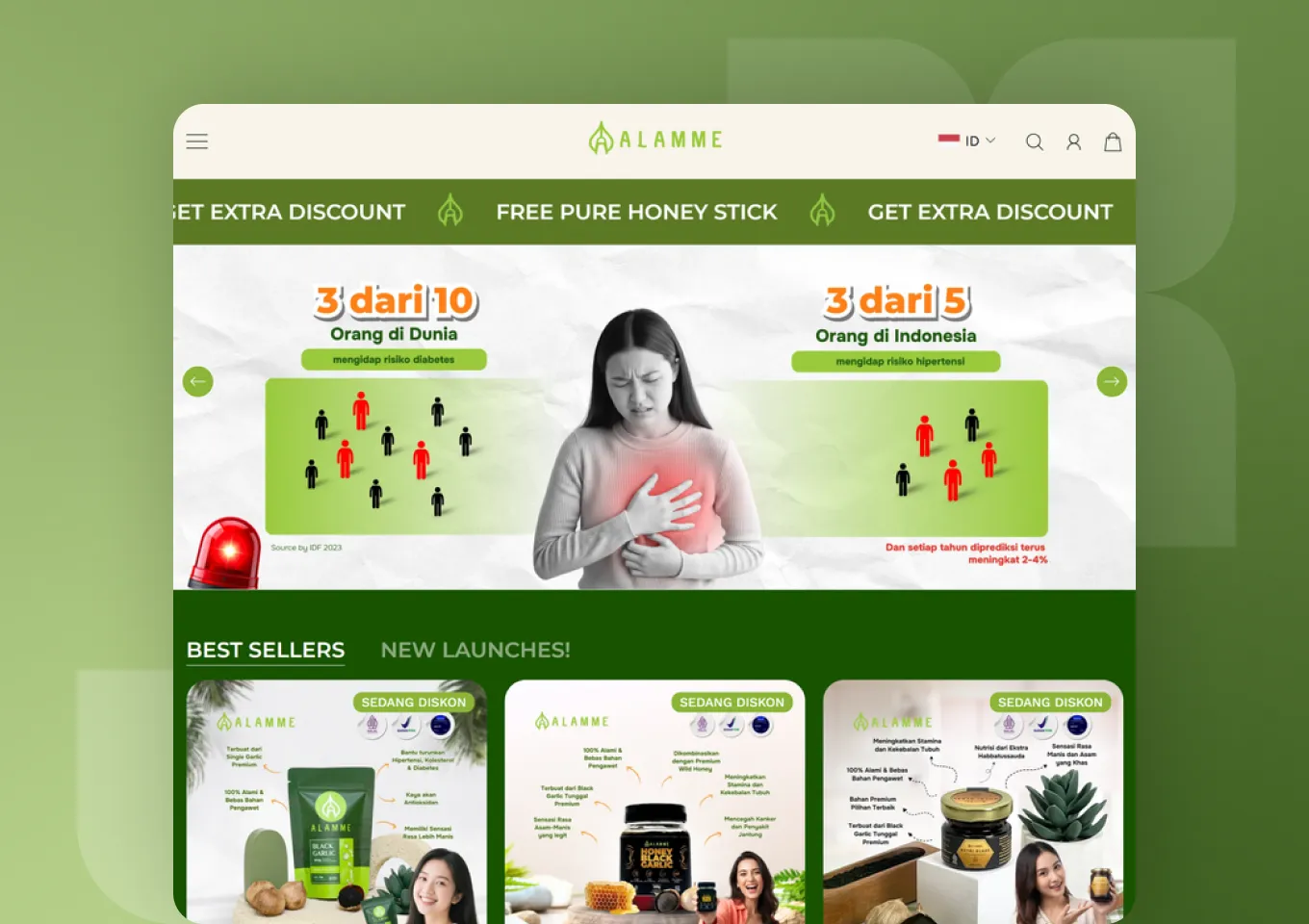
Alamme
Alamme Online Store
Read more ↗Search strategies and engineering for the modern business landscape.
Six service pillars delivered by one team, from design and development to cloud, security, growth, and day-to-day support.
Solo is known for batik, textiles, and crafts, with many businesses that sell directly to buyers. Legia has no clients based in Solo yet; the examples on this page come from retail brands and online stores that Legia has built in other cities.
Summary
Example work
All three are from clients outside Solo, chosen because their sector matches Solo's main sector: retail and products sold directly to buyers. Each card links to the full case study.
 01
Items stocked one per unit and brands that live on their story. The catalog is divided by line, and the brand story is kept separate so buyers who come to shop do not have to go through it.
Boring Monday case study 02
Some know the brand, some know the problem, some come for a promo. The catalog gets a combined filter, and each of the three ways has its own entry in the main navigation.
Glambox case study 03
Buyers of health products look for answers, not ingredient names. The front page opens with the reasons, and each product card carries a benefit badge right on its image.
Alamme case study5 case studies from clients in other cities, chosen because their sector matches Solo's main sector.
Consumer & Retail · 2026
Alamme Online Store
Read more ↗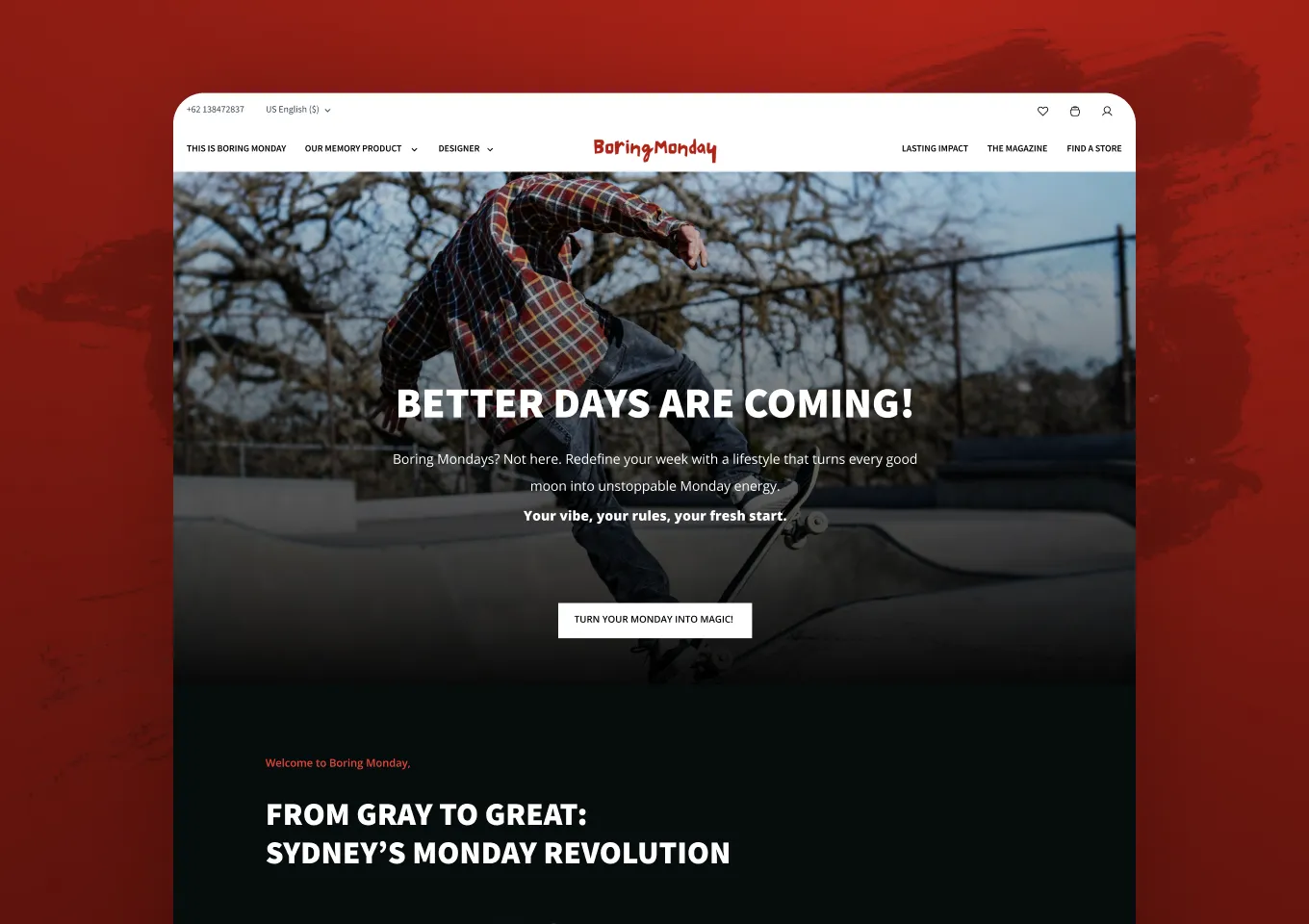
Consumer & Retail · 2025
Boring Monday Online Store
Read more ↗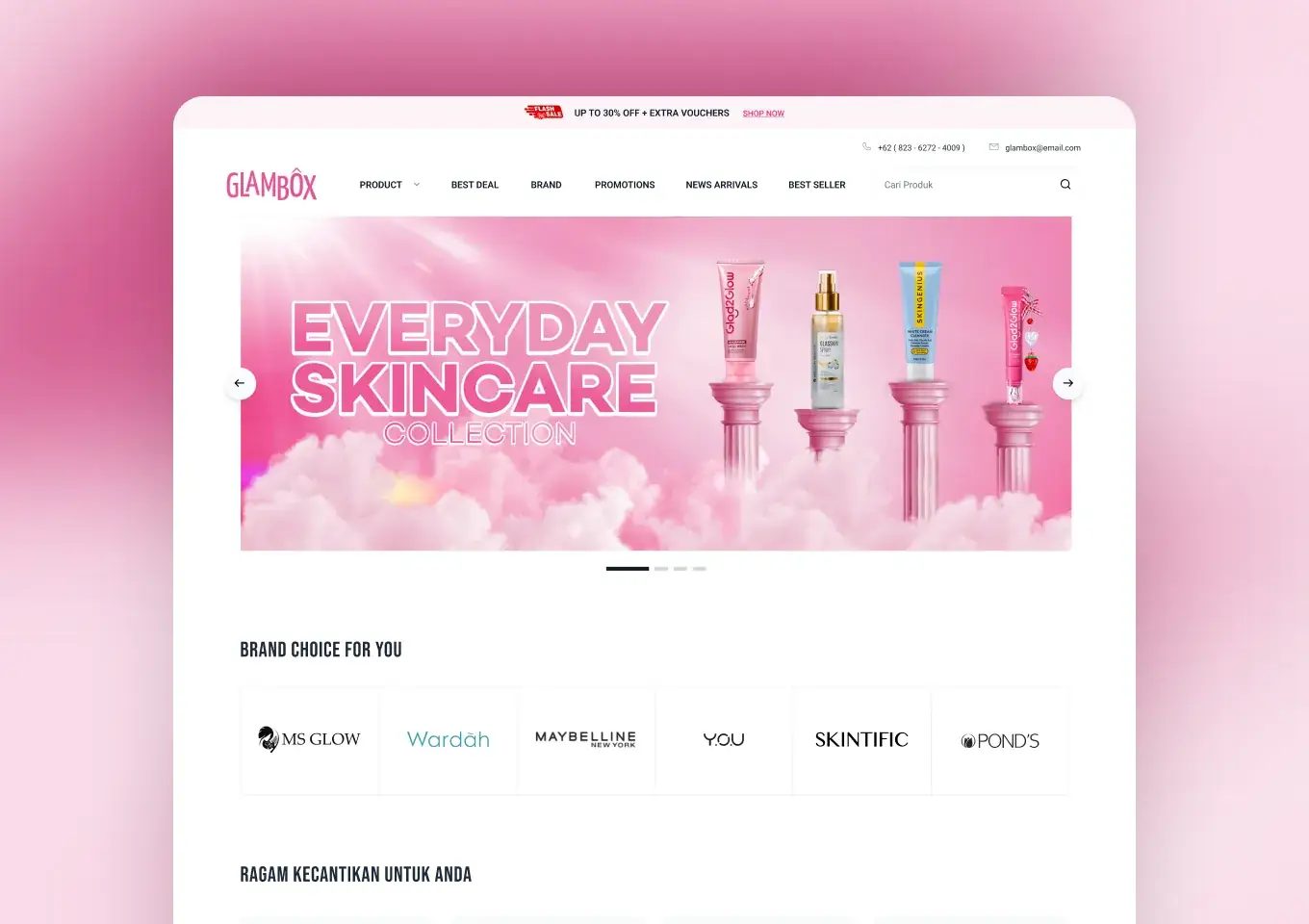
Consumer & Retail · 2024
Glambox Product Catalog
Read more ↗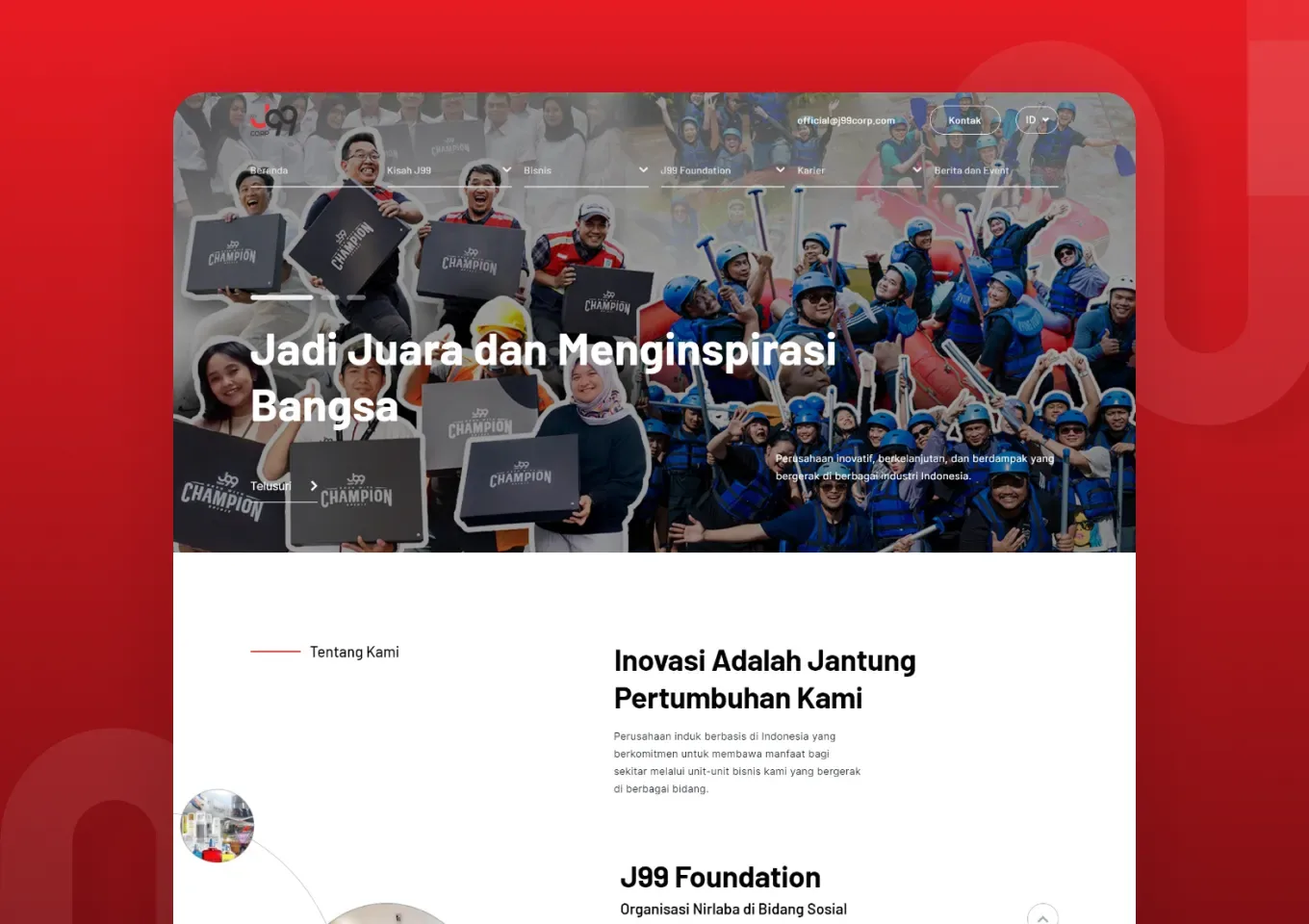
Consumer & Retail · 2023
J99 Corp Corporate Website
Read more ↗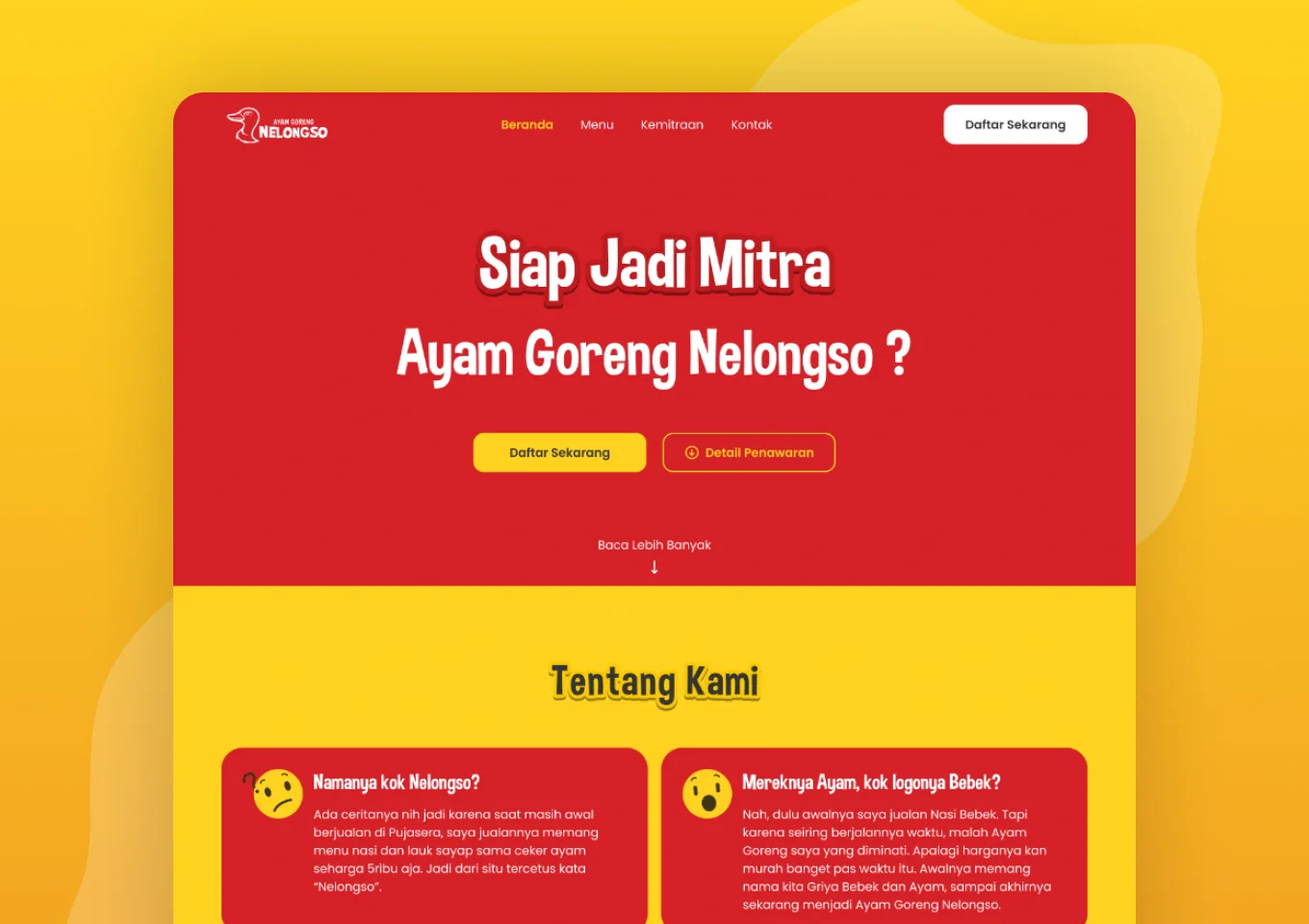
Food & Beverage · 2021
Ayam Goreng Nelongso Partnership Website
Read more ↗Website types
FAQ
Haven't found your answer? Tell us what you need, and the Legia team replies within 1 business day.
Ask the Legia team ↗Yes. Legia built the Boring Monday and Alamme online stores and the Glambox product catalog. Online payment through Midtrans or Xendit can be installed, and platform subscriptions or paid plugins are billed separately.
Yes, and for craft products it often decides the purchase. On the Boring Monday website, the brand story stands as its own section, while the catalog is divided by line so the line name also explains where the goods come from.
An online store is usually completed in 4 weeks for about 14 pages, and 6 weeks for about 22 pages with fuller features, counted from when the materials and scope are agreed.
Yes, if needed, for the kickoff meeting or handover, on a schedule agreed at the start of the project. Other stages run through Google Meet. Travel costs for visits are covered by the client.